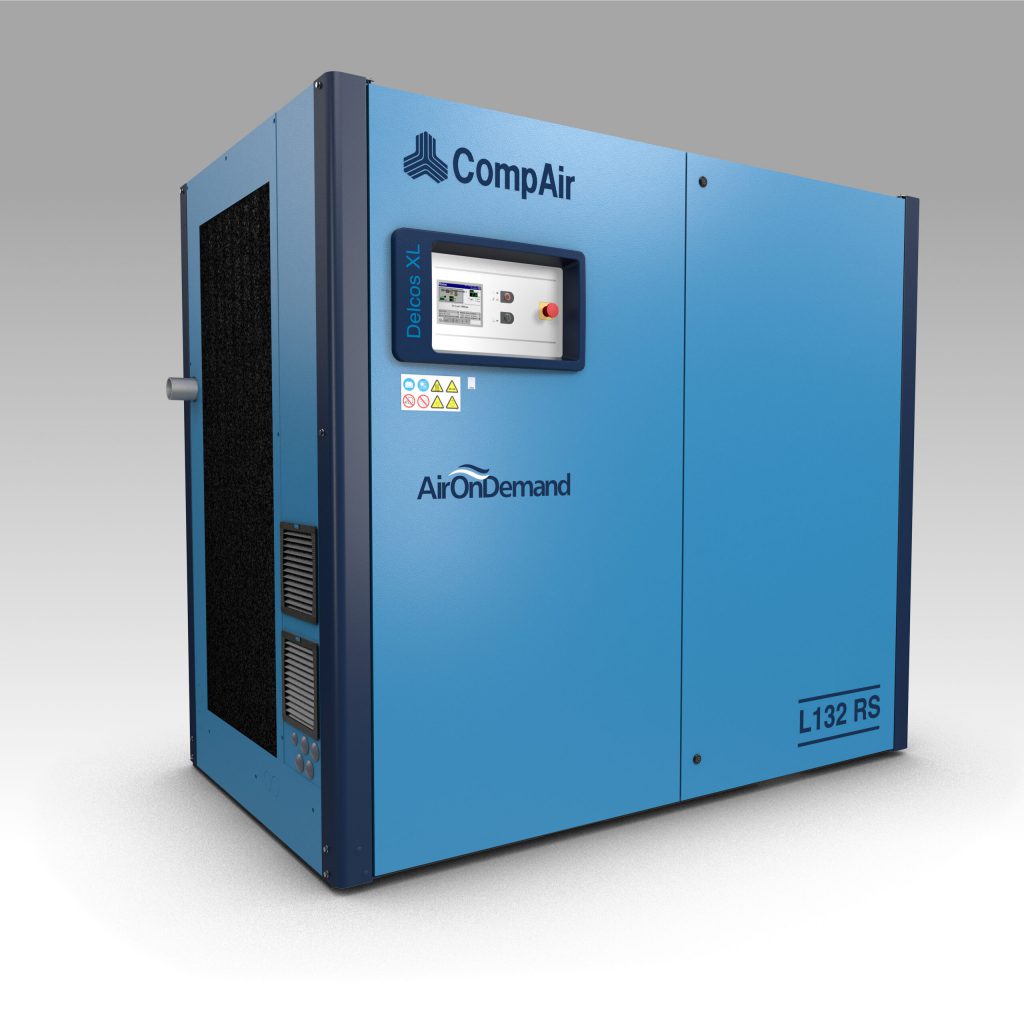
Electric Air Compressors

The majority of businesses will use electrical air compressors as a matter of course. When compressed air is an essential component of your business, static air compressors fuelled by electricity are the best option. Electricity offers a reliable and continuous energy source for even the largest and most hardworking compressors.

We work with some of the world’s leading manufacturers of electric air compressors including CompAir, Hydrovane, and  Boge

air-energy-air-compressors

What Is an Electric Compressor?

An electric air compressor is a machine that converts regular air into a compressed power source that is used by manufacturers and virtually every industrial sector throughout the world. In fact, they’re often referred to as the ‘fourth utility’. Industries that commonly use electric compressors on a daily basis include pharmaceuticals, chemicals, food and drinks, microelectronics, mining, and wastewater treatment.

Modern electric air compressors are fitted with advanced software that provides detailed real time information, constantly monitors the efficiency of the machine, enabling you to stay in control as well as help reduce running costs. It also constantly monitors the efficiency of the machine, alerting you to issues or routine maintenance.

Because of their size and function, electricity is the ideal power for large air compressors that by definition must remain stationary. However, it is ideal for compressors of any size as it not only offers a convenient, safe and constant way to power the machinery, but is also a lot quieter than a diesel generator.

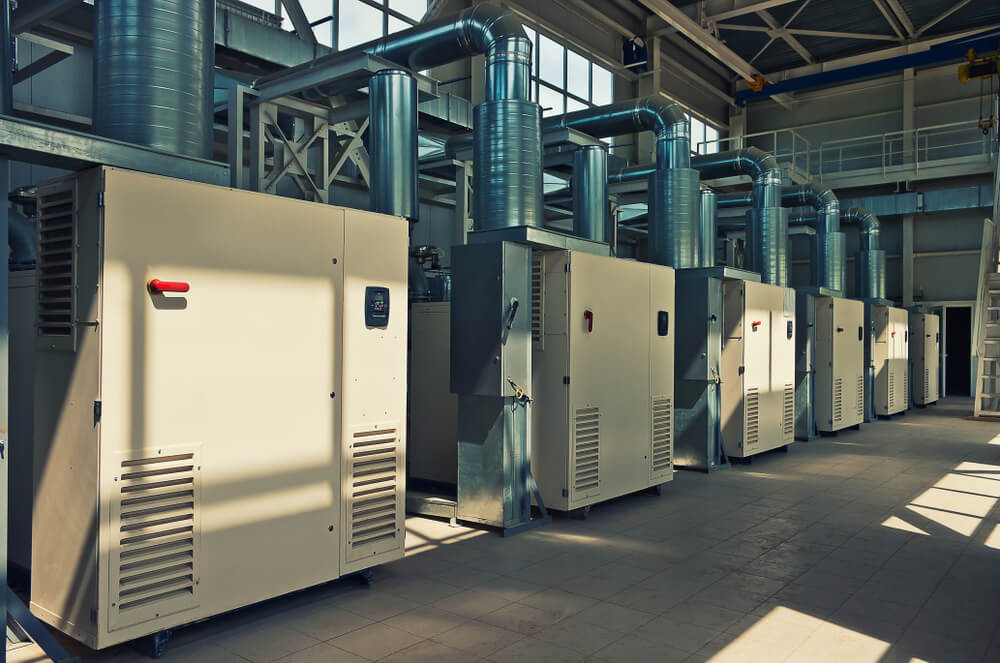
Compair L Series - L160 to L290 Range: Industrial Use

Contact Us For Electrical Compressor Solutions.

If you would like to explore our range of electrical air compressors, click the ‘Shop Now’ button above. If you have any questions, scroll down to our FAQ section, or call us on 01992 940532.

Contact Us or find out more

How Do Electric Compressors Work?

Electric air compressors work by drawing in air and pressurizing it by forcing it into a storage tank. This can be achieved through a piston, rotary screw, or rotary vane.

In a piston compressor, the piston is driven by a crankshaft to compress air in a chamber and create the air pressure needed when the air is discharged.

Rotary screws work by using twin screws that move in opposite directions, squeezing the air into ever smaller spaces which pressurises it.

Rotary vane compressors (also referred to as sliding vane compressors) use a rotor that’s placed off centre with a number of sliding blades collecting the air and pushing it into a smaller space to create the pressure. Rotary vane compressors produce moderate pressure at slower speeds.

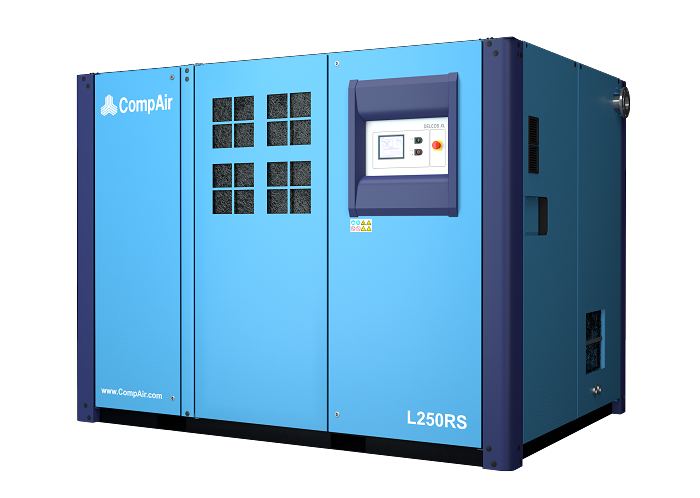
Compair L Series - L02 to L05 Range Domestic Use

Benefits of an Electric Air Compressor

There are many benefits of an electric air compressor over diesel powered ones:

Electric compressors are cheaper to run and a lot quieter. They’re more reliable and because they have fewer working parts, they don’t need to be serviced or maintained as frequently, meaning upkeep and maintenance costs are a lot cheaper, with less downtime which also means greater productivity. In addition, they have smart features which give you greater control of their operation.

Diesel compressors are dirtier, have a strong odour, and there’s always the risk of leaks and fuel spills. Carbon emissions from diesel compressors are greater than electric compressors. Indeed, electric compressors can help you save money on utility bills by using a heat exchanger to heat water and hot water heating systems in your building. Some air compressors, such as the CompAir L160 to L250 range, can recover approximately 80% of the heat generated.

The air quality offered by electric compressors is also superior as there is no change of a fuel leak contaminating the quality of air. In uses where 100% pure air is essential, electric compressors are therefore the only option.

Shop the CompAir L160 to L250 range

Is an Electrical Compressor Better?

In the majority of cases, an electric air compressor is the better option, though there are circumstances in which a diesel-powered compressor wins out. Electric compressors are better for indoor applications, in instances where noise is an issue, and applications that need constant access to a power source – the only time an electric compressor will fail is during a power outage.

Where a diesel compressor is a better option is in the field. When portable air compressors are needed in places where there is no electricity supply, compressors with integrated diesel generators are essential. However, if there is access to electricity, electric compressors are lighter and quieter and may still be a better option.

why-choose-air-energy

Contact Us for Advice

Explore our full range of air compressors, controls and related equipment, or contact us for advice on the best compressed air system for you, and take the first step toward improved efficiency and productivity in your industry.

Contact Us

Yes. Electric air compressors don’t emit exhaustion fumes which makes them safe for indoor use.

As long as you take precautions to protect your electric compressor from the elements, it should be safe to use it outdoors. Make sure it’s placed on a solid, level surface and is protected from rain, snow and wind – it’s best to put it in a weatherproof enclosure. And obviously, the electrical connection will need to be weatherproofed. The main problem would be during the winter, especially if the temperature drops to below 5oC – in these conditions the condensate will freeze which will block the pipework, dryers and filters, and the oil will get thicker which will prevent the compressor from turning freely, all of which can cause damage to your compressor, resulting in a decrease in efficiency, more frequent repairs and the downtime that comes with them.

Properly maintaining your electric air compressor will ensure it works efficiently, requires less maintenance, and lasts for longer. There are things you can do to keep the compressor in good order, including keeping it clean from dust and debris so the intake vents don’t get blocked, frequently checking the condensation drain valves to keep them clear, and inspecting the hoses for signs of cracking. If there are no signs that you may need repairs, your compressor will need servicing annually or every 2,000 hours, whichever comes first.

Caution needs to be taken when using electric air compressors to reduce the risk of injury to people or damage to machinery. The compressed air will be released at high pressure which could cause serious injuries if directed at the body. There is also a risk from flying particles or debris which could cause injuries to humans and damage to equipment.

While modern electric air compressors are quieter than older ones, noise may still pose a risk to hearing after prolonged exposure, so ear defenders may need to be worn.

Electric air compressors are used extensively by a wide range of manufacturers and industries. They have a large number of uses, for example to power air tools, cutting and welding equipment, in assembly plants, bottling and packaging, agricultural pumping systems, in food processing, for spray painting, offshore drilling, pressure washing, ventilation of mines, train air brakes, in air filtration systems, and inflating tyres.

Electric air compressors have many advantages over their diesel-powered counterparts. They’re cleaner, quieter, more controllable, cheaper to run, require less maintenance, and don’t emit fumes and odor’s.

This very much depends on the air compressor model as they can range from 40dB and 110dB (decibels) – below and well above normal conversation noise which is generally around 60dB. Piston compressors can be extremely loud, whereas rotary screw, vane and portable compressors operate more quietly.

The UK Health and Safety Executive recommends that if noise levels rise above 80-85dB, then personal hearing protection should be used. If you are looking for a quiet compressor that can be located at the point of use, call us on 01992 940532 and we’ll help you find the best model for your needs.

We are one of the leading suppliers of electric air compressors offering a diverse range of models from the world’s best known and most respected brands.
At Air Energy, we are committed to providing only the best quality, high performance air compressors, and are well known for our customer service excellence.

Whether you need a small portable unit or large industrial models, our team of experts will help determine the ideal product designed for your purposes.

Click the Shop Now button to explore our range of electric air compressors, or scroll down to the FAQ section if you have any questions.

Industrial Air Insights

Practical guidance on reliability, efficiency and compliance for compressed air, vacuum and nitrogen systems.

We use cookies to ensure that we give you the best experience on our website.

You were not leaving your cart just like that, right?

Did you mean to abandon your order?

Enter your details below to save your shopping cart for later.