Compressed Air Filters

At Air Energy, we believe that Compressed Air Filters are an essential part of any efficient compressed air system.  These compressed air filters remove water and particulates from your compressed air, protecting your downstream machinery and preventing contamination of any manufactured products.

In any compressed air system, impurities are inevitable; dust, dirt, water and oil contaminants can reduce air quality and significantly affect system efficiency. Inadequate or incorrect filtration can negatively impact performance and end-use equipment, and potentially costly system downtime.

Air Energy is pleased to be a Premier Partner of Walker Filtration.  Walker Filtration designs, develops, and manufactures a comprehensive range of high-quality compressed air and gas filtration solutions for a wide range of industrial and medical applications. They offer a diverse product range that includes Compressed Air, Gas and Vacuum Filter Housings, Vacuum Air / Oil Separators, Medical Sterile Filters, Original and Alternative Elements, and Desiccant Dryers.

Walker Logo

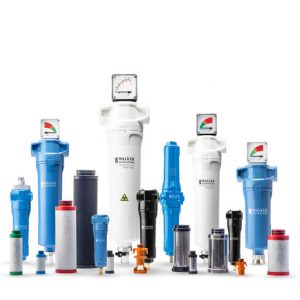
Compressed Air & Gas Filters

We can supply a huge range of filters to suit almost every application, delivering exceptional results.

Enquire Now

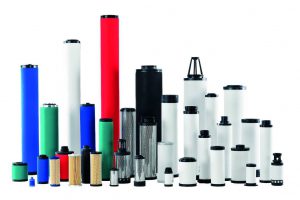
Filter Elements

Our original and alternative filter elements are designed to offer the best performance in a variety of applications.

Enquire Now

Medical Sterile Filters

We supply Medical Sterile Filters that guarantee outstanding air purity that meets certified medical performance levels.

Read More

Autoclave Filter Elements

We supply Walker Filtration’s range of Autoclave filters that use high performance filtration with 100% sterilising efficiency.

Read More

Contact Air Energy for more information on Filtration Solutions

Air Energy has the knowledge and expertise to answer all your Filtration queries.

Get in Touch

Maintenance and Troubleshooting Tips for Air Compressors:

  • Regularly check and change the air filter to ensure proper airflow and prevent contaminants from entering the compressor.
  • Drain the air receiver tank daily to remove any accumulated condensation, which can cause rust and damage the tank.
  • Inspect hoses and connections for leaks and tighten or replace them as needed to maintain efficient operation.
  • Keep the compressor area clean and free from debris to prevent overheating and ensure proper ventilation.
  • Check the oil levels regularly and change the oil according to the manufacturer’s recommendations to prevent damage and maintain performance.
  • Monitor the pressure levels and adjust the settings as necessary to ensure the compressor operates within the recommended range.
  • If the compressor is making unusual noises or vibrations, turn it off immediately and inspect for loose or damaged components.
  • If the compressor fails to build pressure or deliver air, check for obstructions in the air intake or a malfunctioning pressure switch.
  • Consult the owner’s manual for specific troubleshooting steps or contact a professional technician for complex issues.

Remember that proper maintenance and prompt troubleshooting can prolong the lifespan of your air compressor and ensure efficient performance.

Choosing A Compressed Air Filter:

  • Air Quality Requirements: Determine the quality standards needed for your specific application.
  • Compressor Size: Consider the size and capacity of your compressor. The filtration system should be compatible in terms of flow rate and pressure to efficiently clean the air before it enters the compressor.
  • Filtration Efficiency: Look for filtration systems with high-efficiency compressed air filters that can effectively capture and retain contaminants. Check the micron rating of the coalescing filters to ensure they can trap particles of the required size.
  • Maintenance Needs: Evaluate the maintenance requirements of the filtration system. Choose a system that is easy to clean and maintain to avoid frequent breakdowns and costly repairs.
  • Environmental Conditions: Assess the environmental conditions where the compressor operates. If the compressor is exposed to high levels of humidity, extreme temperatures, or corrosive substances, select a compressed air filtration system that can withstand these conditions.
  • Cost: Consider the initial cost of the filtration system as well as ongoing maintenance expenses. Balance the upfront investment with long-term benefits to choose a system that offers the best value for your money.

Air Compressor Air Filter Types:

Air filters are essential components of compressors, as they help maintain the quality and pressure of the air being compressed, subsequently prolonging the life of the equipment. There are different types of air filters available for compressors, each serving a specific purpose:

Paper Air Filters:

  • Made of paper or cellulose material.
  • Economical option for filtering out larger particles.
  • Best suited for environments with minimal dust and debris.

Pleated Air Filters:

  • Consist of a pleated paper or fabric material.
  • Offer better filtration efficiency compared to standard paper filters.
  • Ideal for environments with moderate levels of contaminants.

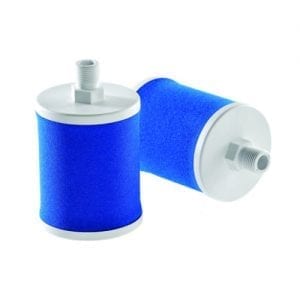
Foam Air Filters:

  • Constructed from foam materials.
  • Effective at trapping large particles and debris.
  • Suitable for harsh environments with high levels of dust and dirt.

HEPA Air Filters:

  • High-Efficiency Particulate Air filters.
  • Designed to trap 99.97% of particles down to 0.3 microns in size.
  • Perfect for applications requiring extremely clean air, such as pharmaceutical or electronics manufacturing.

Carbon Air Filters:

  • Contain activated carbon for odour and gas removal.
  • Ideal for removing unpleasant odours or harmful gases from the compressed air.
  • Used in applications where quality is crucial.

Key Reasons Why Air Filtration Is Essential:

  • Removing contaminants: Air filters in compressors are designed to remove various contaminants present in the air, such as dust, dirt, and other particles.
  • Protecting sensitive components: Air compressors contain sensitive components, such as valves, seals, and bearings, that can be easily damaged by the presence of contaminants in the air. By effectively filtering out these contaminants, air filters help protect these components and prolong the lifespan of the compressor.
  • Preventing blockages: Contaminants in the air can also lead to blockages in the compressor system, restricting the flow of air and causing overheating. This can put undue stress on the compressor’s motor and other parts, potentially causing irreparable damage.
  • Maintaining efficiency: Clean air filters ensure that the compressor operates efficiently by allowing for smooth airflow and preventing unnecessary strain on the system.
  • Cost-saving: By investing in quality air filtration for your compressor, you can avoid costly repairs or replacements due to equipment damage caused by poor air. Regularly replacing air filters is a simple and cost-effective way to protect your investment in the long run.

The Future of Compressed Air Filter Technology:

Enhanced Filtration Efficiency:

  • Innovative materials and designs are being developed to improve filtration efficiency.
  • Nanotechnology is being utilised to create filters with smaller pores, enabling better removal of contaminants.

Smart Filtration Systems:

  • Compressors with smart filtration systems are being developed.
  • These systems can automatically adjust filtration levels based on real-time air quality data.

Internet of Things (IoT) Integration:

  • Compressors are being equipped with IoT capabilities for remote monitoring of filtration systems.
  • Users can receive alerts and data about filter status, allowing for timely maintenance.

Sustainable Filtration Solutions:

  • Eco-friendly filtration options.
  • Biodegradable filter materials and reusable filter components are being explored.

Energy-Efficient Filters:

  • Filters that offer high filtration efficiency while minimising pressure drop are being researched.
  • These energy-efficient filters can help reduce power consumption and operating costs.

Maintenance of Your Compressed Air Filters:

  • Regular Inspection: Regularly inspect the air filter for any signs of dirt, dust, or damage.
  • Cleaning Schedule: Follow a regular cleaning schedule based on the manufacturer’s recommendations. Cleaning the air filter prevents dust and debris from clogging the system, ensuring optimal performance.
  • Use the Right Filter: Make sure to use the correct type and size of air filter recommended for your specific compressor model.
  • Replacement Frequency: Replace the air filter according to the manufacturer’s guidelines. Typically, air filters should be replaced every 3 to 6 months, depending on usage and working conditions.
  • Proper Installation: When replacing the air filter, ensure it is installed correctly and securely. Improper installation can lead to air leaks and reduce the filter’s effectiveness.
  • Monitor Air Quality: Keep an eye on the quality produced by the compressor. If you notice a decrease in quality or performance, it may be time to check and replace the air filter.
  • Consult the Manual: Always refer to the manufacturer’s manual for specific instructions on maintaining and replacing the air filter. Following the manufacturer’s guidelines can help prolong the lifespan of your compressor.

Contaminants Impact Your Compressed Air System:

  • Reduced Efficiency: Contaminants can clog filters and air intake systems, leading to a decrease in the efficiency of the compressor. This can result in higher energy consumption and increased operating costs.
  • Component Wear: Contaminants can cause increased wear and tear on components such as valves, pistons, and seals. This can lead to more frequent breakdowns and the need for costly repairs.
  • Decreased Air Quality: Contaminants in the air can also result in poor quality output from the compressor. This can be particularly problematic in applications where clean, dry air is essential.
  • Corrosion: Water and oil contaminants can cause corrosion in the internal parts of the compressor. This can shorten the lifespan of the compressor and necessitate premature replacement.
  • Safety Concerns: Contaminants can also pose safety hazards, especially in industrial settings. For example, oil and water vapour can lead to slippery surfaces, increasing the risk of accidents.

Industrial Air Insights

Practical guidance on reliability, efficiency and compliance for compressed air, vacuum and nitrogen systems.

We use cookies to ensure that we give you the best experience on our website.

You were not leaving your cart just like that, right?

Did you mean to abandon your order?

Enter your details below to save your shopping cart for later.