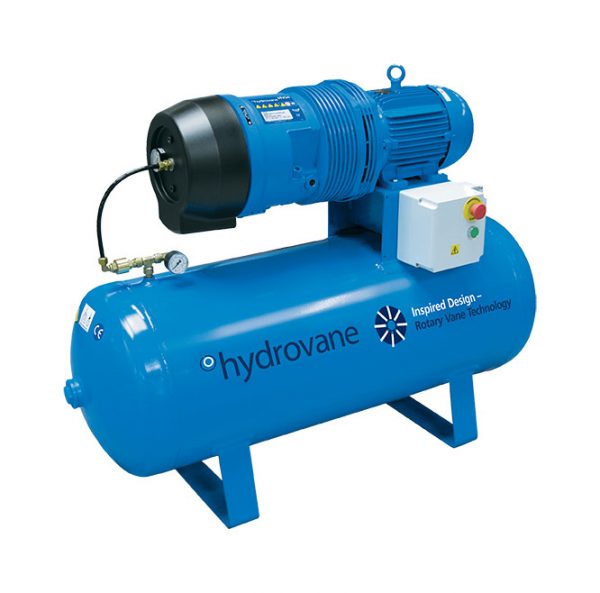
Using The Correct Small Air Compressor For Your Needs
There are a number of factors to take into account when researching the ideal air compressor. If you are in any doubt and would like to discuss your needs, please call us to talk to one of our specialists on 01992 940498.
Air Pressure – The biggest consideration when it comes to small or portable air compressors is making sure they’re the right size for your needs. For some applications, such as vehicle tyres, you only need 50/100 PSI (pounds per square inch), whereas standard air tools need a compressor that supplies an air pressure of 150/200 PSI.
Duty cycle – The duty cycle is the length of time the compressor will run before it needs a break to cool down and for the tank to refill (rest time) after you’ve emptied it of air (run time). A compressor with 100% duty cycle is one that can run continuously throughout the day, whereas a compressor with a 20% duty cycle only runs for two minutes before needing an eight minute break. The greater the duty cycle, the larger and more expensive your compressor will be. Small air compressors have lower duty cycles. If you need a compressor with a higher duty cycle, it would be best to consider investing in an industrial air compressor.
Air flow – The volume of air compressors produce is measured in CFM – Cubic Feet per Minute. The higher the CFM, the more air you get.
Tank size – Small and portable air compressors today have a range of tank sizes (between 24 litres and 100 litres).
Portability – While the majority of small air compressors are portable, it’s always useful to take portability into consideration. This includes whether it has wheels and handles as well as factors like size and weight. Basically, if you need to move it between sites, can you comfortably carry it?
Price – Budget plays a big role when it comes to choosing the best air compressor. The more expensive the product, the greater power and capacity, which means your money will go further in terms of capacity and durability.