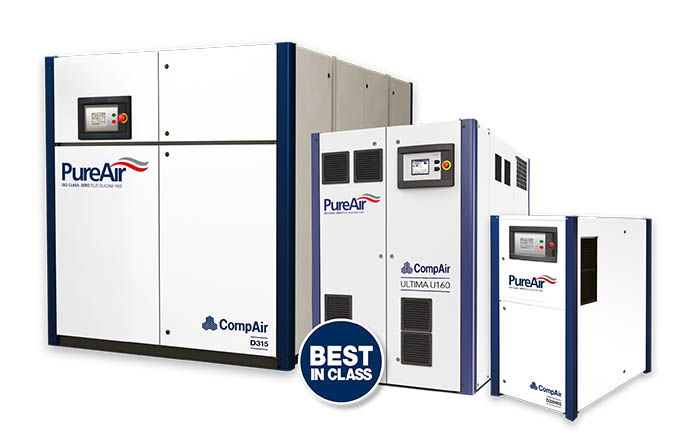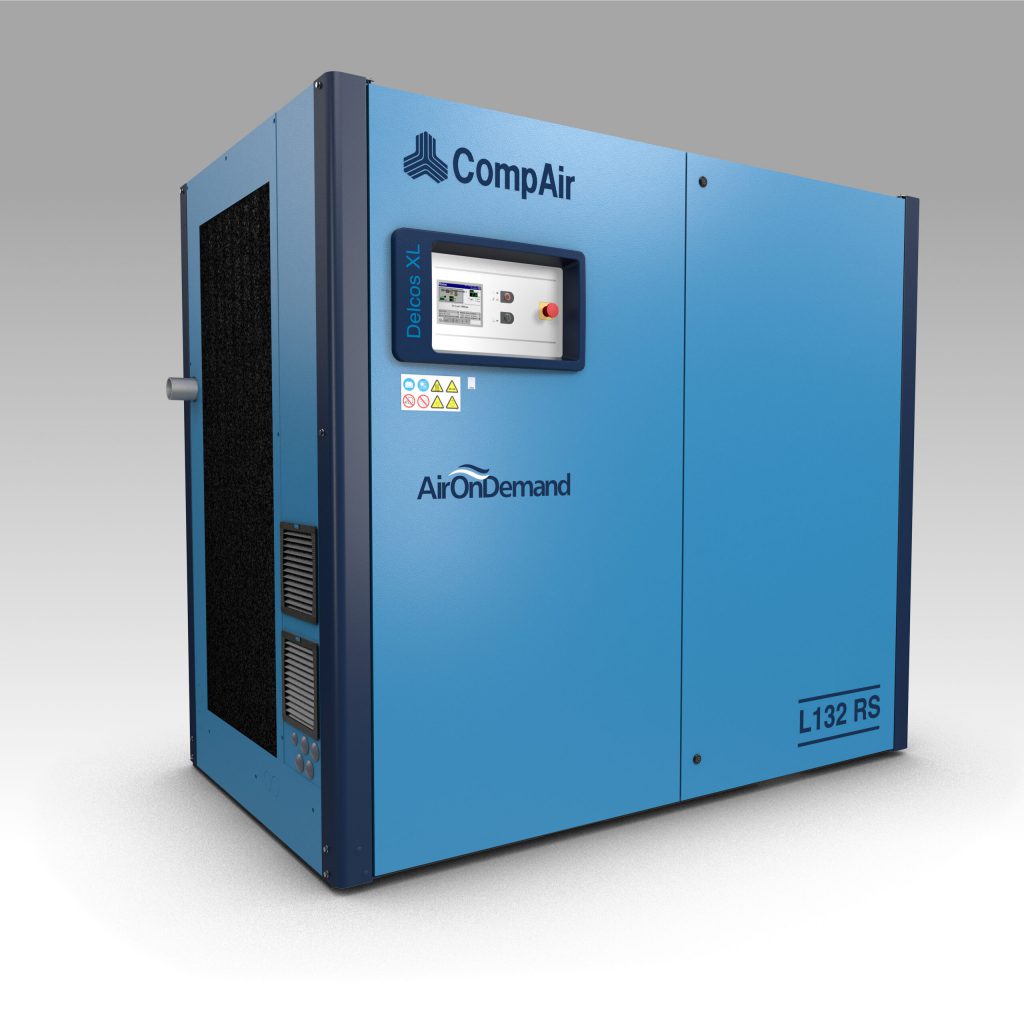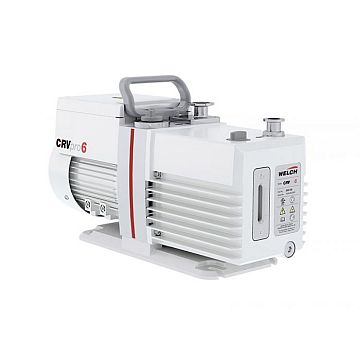
Workshop compressors are small portable compressors that are suitable for use in a variety of applications. They are ideal for garage workshops, but also laboratories, dental surgeries, laundries and food and beverage manufacturers, as well as for other industrial uses such as woodworking and packaging. 

As with all industrial air compressors, workshop compressors use rotary screw, rotary vane or piston compressors, so you’ll always find the right one for your needs. If storage space or portability is important, or your need for compressed air is not very great, workshop compressors come in a range of tank sizes from just 6 litres upwards. 

However small or large a workshop compressor is, you can guarantee that if you buy yours from Air Energy, it will be high quality, robust, long lasting and fit for purpose. 
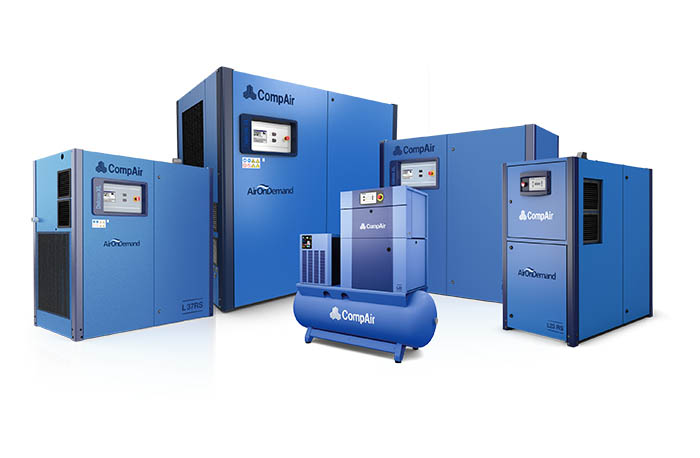
compair compressors

Types of Workshop Compressors

As with all air compressors, workshop compressors are available in a variety of types. This gives you a wide choice of compressors depending on your industry’s requirements. The different types are:

Oil-Free Compressors

Oil-free compressors are needed for applications where oil contamination is not an option, for example in the food, drinks, pharmaceuticals, electronics, and textiles sectors. The lack of oil means they’re smaller and lighter, which means they use less energy.

Shop Oil Free Compressors

Benefits of Oil-Free Compressors for Workshops:

  • Energy efficient
  • Ultra clean – there is no danger of oil contamination, ensuring quality compressed air at all times
  • Low maintenance – with fewer working parts, there is less to maintain
  • Lighter than oil-lubricated compressors making them more portable

Oil-Lubricated Compressors

Oil-lubricated compressors tend to work harder, last longer and are easier to maintain. They are ideal for use with power tools. Their ability to match power consumption with demand (however varied) makes them energy efficient.

Shop Oil-Lubricated Compressors

Benefits of Oil-Lubricated Compressors:

  • Energy efficient
  • Clean – the rotating screws are effective at sealing in lubricating oil resulting in better quality compressed air
  • Long-lasting – oil-lubricated compressors can last for thousands of hours

Piston Compressors

Small piston compressors are robust enough to work in high-pressure conditions, and efficient enough to produce high-quality air.

Shop Piston Compressors

Benefits of Piston Air Compressors:

  • Easy and cheap to maintain – replacement parts are cheap and easy to install
  • Reliability – as with all piston compressors, piston compressors for workshops are great workhorses

Rotary Vane Compressors

Rotary vane compressors are the least noisy compressors which makes them perfect for workshop use. They produce clean dry air. They have few moving parts and work at slower speeds making them extremely reliable, and enabling them to work effectively for many years. Rotary vane compressors are ideal for applications that only require moderate pressure and slower speeds (1450 – 2800 rpm).

Shop Rotary Vane Compressors

Benefits of Rotary Vane Air Compressors:

  • Quiet- Vane compressors are quiet enough to be used in the workshop and close to the point of use
  • Energy efficiency – with low energy consumption they can help you reduce electricity bills
  • Clean – with no oil needed, rotary vane compressors produce clean and dry air
  • Reliability – you will always get a consistent performance
  • Longevity – as they work at slower speeds, rotary vane workshop compressors have a long operating life

Benefits of Rotary Screw Air Compressors:

  • Efficiency – the rotary screw element enables these compressors to work efficiently with very little loss of capacity
  • Long lifespan – rotary screw compressors have a lifespan of thousands of hours and will generally last longer than other types of compressor
  • Longer cycle – rotary screw air compressors can be run continuously and at a lower heat so they don’t need to have regular breaks in the cycle in order to cool down 
  • Quiet – with few moving parts, rotary screw air compressors are quieter to operate
  • Energy efficient
  • Easy maintenance

Considerations for Workshop Compressor Selection:

Before investing in a workshop compressor to power your garage equipment, there are a number of considerations to take into account.

Required air pressure and air flow

If you’re getting a compressor for your workshop, the primary consideration is to make sure that the air compressor is fit for purpose. This means you need to work out the air flow and air pressure you need. Air flow is determined by Cubic Feet per Minute (CFM) and air pressure by Pounds per Square Inch (PSI). Check the CFM and PSI requirements of the tools you use in your workshop and make sure the compressor meets or exceeds them. If you are planning to expand your business and will be investing in new tools to perform different functions, take your future CFM and PSI requirements into account when investing in a compressor now.

Size and portability

If you need to move your compressor around the workshop, or take it to other locations, portability becomes an important factor. The smaller the compressor, the more portable it is. However, getting the smallest compressor is not necessarily the answer – again, it depends on the maximum pressure and air flow you need for the tools you’ll be using now and in the future, and whether or not you need a constant supply of compressed air. A larger tank will give you longer run times and fewer interruptions to allow the compressor to build up the pressure again.

Power supply

While the majority of smaller air compressors are powered by electricity, some can be powered with petrol or diesel meaning they can be used in remote locations.

Noise levels

Noisy compressors can impact the working conditions in your workshop. The quieter the compressor, the more comfortable everyone will be. If decibels (dB) are a factor, opt for a rotary screw compressor or rotary vane compressor which are much quieter than piston compressors. The power supply is also a consideration – plugging your compressor into the electricity has no noise implications, whereas using a petrol or diesel generator will be noisy. Talk to us about additional noise-reduction features which will help reduce noise levels even further. 

Maintenance requirements

To get the most of your workshop air compressor, make sure you invest in one that is high quality, easy to maintain, and also large enough to cope with the demands you and your team will make on it.

Shop Oil-Free Rotary Screw Compressors

Contact Us For Workshop Solutions.

If you would like to explore our range of Workshop air compressors, click the ‘Shop Now’ button above. If you have any questions, scroll down to our FAQ section, or call us on 01992 940532.

Contact Us or find out more

Why Choose Air Energy’s Workshop Compressors?

At Air Energy, we partner with the best manufacturers so you can rest assured that you are buying the most reliable, consistent, efficient and cost effective air compressors on the market. That is why we are trusted by our clients around the world.

We only stock compressors that are versatile, easy to use, and are robust enough to withstand the most demanding of workshop tasks. 

Our specialists have many years’ experience in the sector, and our experts will always be happy to advise you on the best air compressor for your workshop. 

We offer air compressor service and maintenance services to our UK clients based in Hertfordshire, Bedfordshire, Buckinghamshire, Essex, Cambridgeshire and Greater London. 

why-choose-air-energy

Contact Us for Advice

Explore our full range of air compressors, controls and related equipment, or contact us for advice on the best compressed air system for you, and take the first step toward improved efficiency and productivity in your industry.

Contact Us

Workshop Air Compressor FAQs

This very much depends on what tools and garage equipment you will be using the air compressor for. Different power tools have different requirements – for example, standard air tools need an air pressure of 150/200 PSI, but tyres only need 50/100 PSI. What type of compressor is best also depends upon the amount of time you will need to use it for. If your workshop or garage needs a constant supply of compressed air, you will need to invest in a more robust compressor than if you only occasionally need one. Talk to one of our experts who will be able to advise you on the best compressor for your workshop’s needs.

The ideal air compressor depends on what you will need it for, how much work you need it to do, and how much additional work you may need it for in the future. You will need to take into account the air flow, which is determined by Cubic Feet per Minute (CFM) and air pressure which is determined by Pounds per Square Inch (PSI), as well as the best tank size according to the volume of work you need it for. Contact our experts who will talk you through how you use compressed air and will calculate the best sized compressor for your needs.

Whatever type of pneumatic tool you are using in your workshop, there will be a suitable air compressor to power it.

There are many air compressors that are quiet enough to be used in workshops without having a negative impact on the working environment. The Health and Safety Executive recommends that personal hearing protection should be used if noise levels rise above 80-85dB, but many air compressors are below those levels. For example, the 2-7.5KW rotary screw compressors in CompAir’s L series have a sound range of between 63dB and 70dB (normal conversation is usually around 60dB), BOGE’s EO series compressors peak at around 65dB, and Compack’s screw compressors are around 65dB to 67dB.

As with any piece of equipment, regular maintenance will keep it in good condition enabling it to work efficiently for longer. It’s a good idea to keep the exterior clean so dust and dirt can’t contaminate the intake. Regular checks include inspecting the compressor for signs of wear and tear, damage or rust, keeping an eye on the pressure levels, changing the oil regularly, ensuring moving parts are well lubricated, regularly checking the air filters and replacing when necessary, and regularly cleaning and maintaining the condensate drains.

All the workshop compressors we sell come with the standard manufacturer’s guarantee.

Industrial Air Insights

Practical guidance on reliability, efficiency and compliance for compressed air, vacuum and nitrogen systems.

We use cookies to ensure that we give you the best experience on our website.

You were not leaving your cart just like that, right?

Did you mean to abandon your order?

Enter your details below to save your shopping cart for later.