Reducing unplanned downtime is not about eliminating risk entirely. It’s about identifying failure points early, controlling them through structured maintenance, and ensuring rapid recovery when issues occur.
Why unplanned downtime remains a risk
Across UK industry, downtime is often caused by:
- ageing compressors operating beyond recommended service intervals
- critical spares not held on site
- use of non-genuine or mismatched components
- delayed engineering response outside normal working hours
- limited system-level understanding during fault diagnosis
The result is avoidable disruption, rushed decisions, and higher long-term cost.
Protect production. Reduce risk. Keep operations moving.
What reducing downtime looks like in practice:
Reducing unplanned downtime isn’t about eliminating risk entirely — it’s about controlling it.
Reducing downtime risk typically involves:
- identifying high-wear components and service-critical parts
- aligning maintenance intervals to real operating conditions
- holding strategic critical spares
- ensuring rapid access to the right spares
- ensuring access to manufacturer-approved components
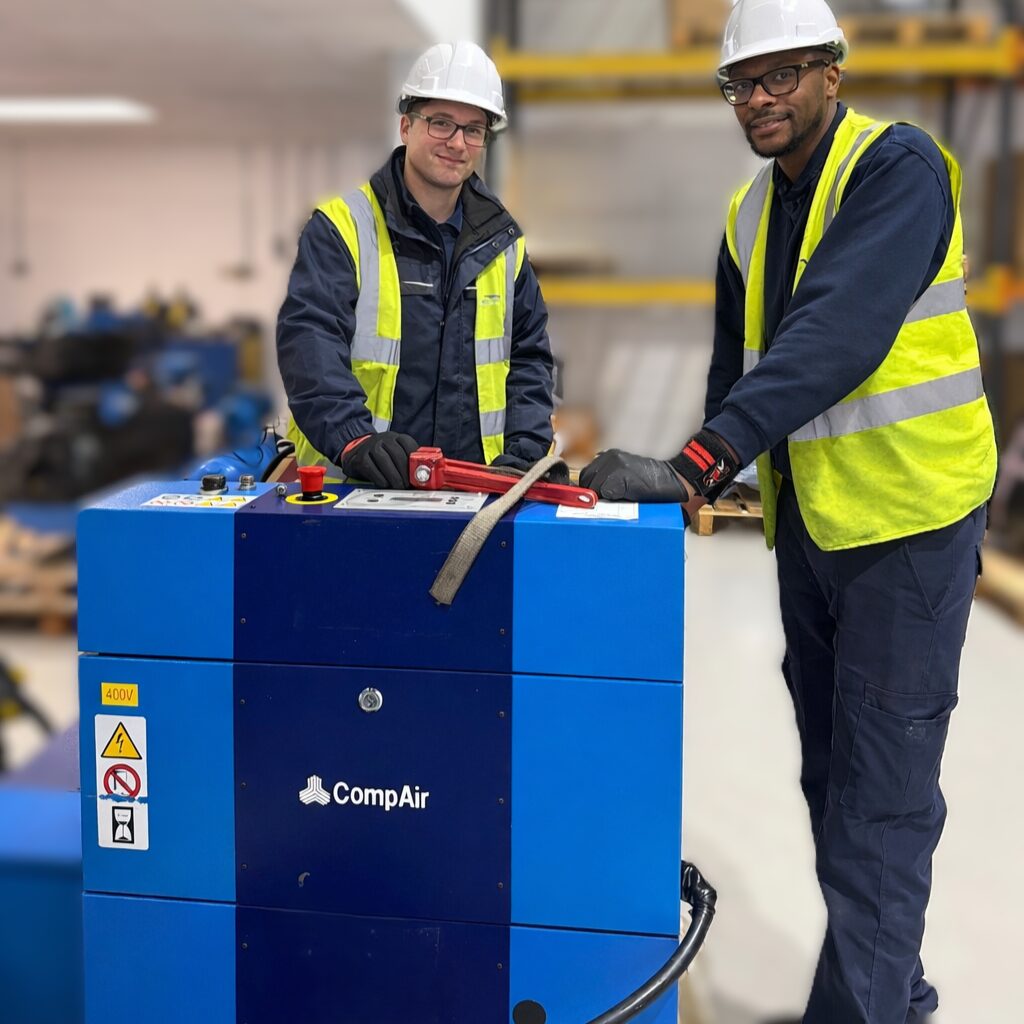
- having rapid-response engineers familiar with the system configuration.
How Air Energy helps
Air Energy is an authorised distributor for leading Tier 1 manufacturers including CompAir, Hydrovane, Elmo Rietschle and Robuschi. Our engineers support customers across manufacturing, food & beverage, pharmaceuticals and other regulated environments where uptime is critical.
We reduce downtime through:
- structured preventative maintenance programmes
- rapid response engineering support
- access to genuine OEM spares
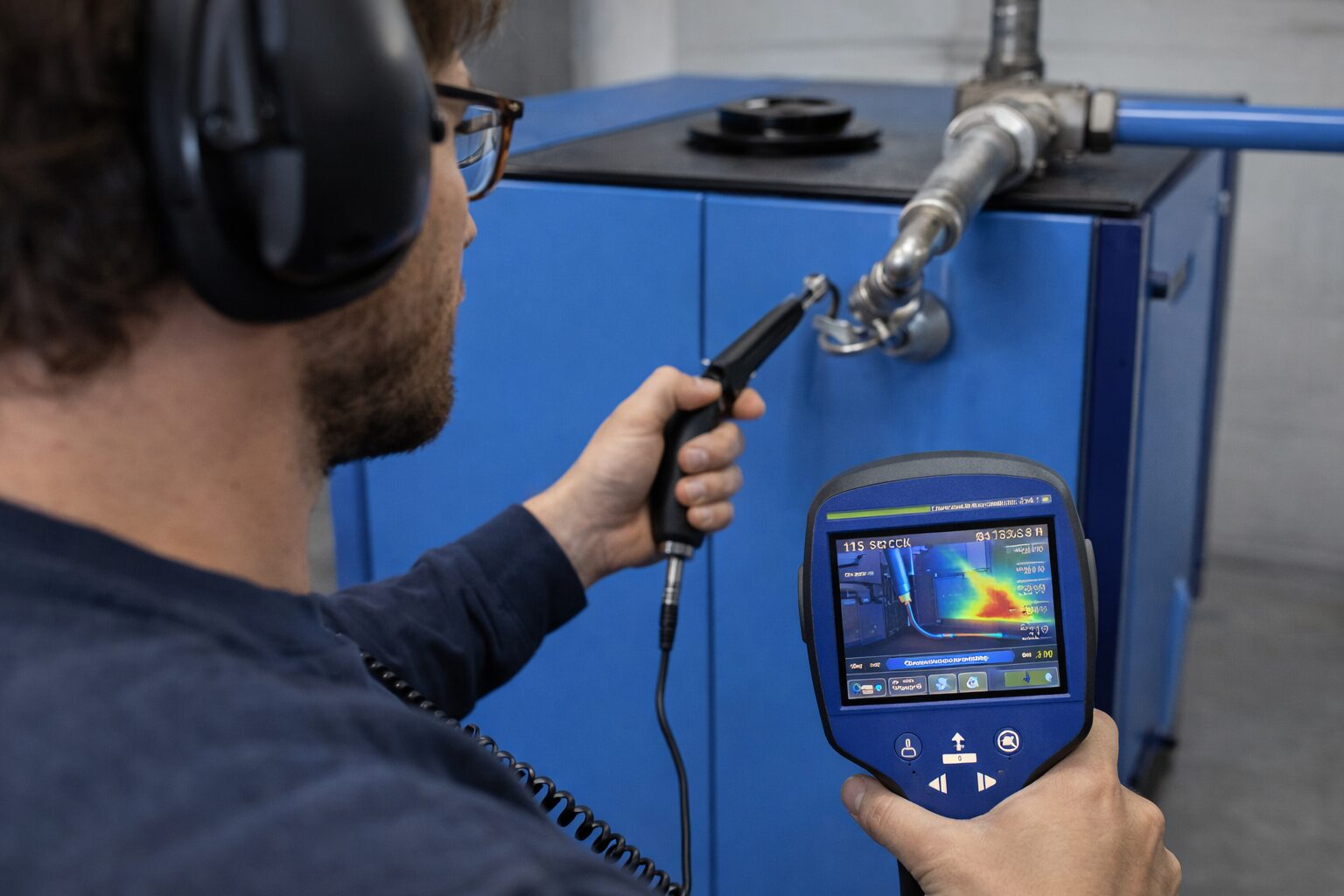
- system-level diagnostics, not just component replacement
Our role is to help customers move from reactive fixes to controlled, predictable operation – protecting production and reducing operational risk.
The Outcome
When downtime risk is controlled effectively, customers typically experience:
-
fewer emergency breakdowns
-
shorter recovery times
-
improved production continuity
-
greater confidence in maintenance planning
- lower total cost of ownership
Reducing unplanned downtime is about keeping production running and avoiding disruption before it happens. Crucially, it replace assumptions with data. Making decisions easier to justify internally → Request a Downtime Risk Review today