Introduction to Scheme of Examination
Pressure systems safety regulations require a written scheme to ensure safe operating limits and prevent pressure system fall. Since 1989 it has been a legal requirement for every company with anything but a very small compressed air system to have a Written Scheme of Examination, primarily where the air pressure is greater than 0.5 bar (approximately 7 psi).
The WSE is a critical component of pressure systems safety regulations, ensuring that pressurised systems are examined safely, and should be drawn up by a competent person, as defined by the Health and Safety Executive’s (HSE) competency criteria of training, skills, experience, and knowledge.
Competent persons identify pressure vessels, protective devices, and pipework within the system scope and set examination frequencies according to the written scheme, and this is where Air Energy can help you.
Our specialists will ensure that you and your compressed air system meet the requirements of the Pressure System Safety Regulations 2000, providing you with your written scheme of examination. We can also guide you through other areas of increasingly strict legislation such as the Environmental Protection Act regulations, Health and Safety at Work, operator safety, waste disposal and solvent recovery.
Pressure System Safety and Compliance
The Pressure System Safety Regulations (PSSR) 2000 have legal status under UK health and safety law, and failure to comply can lead to prosecution. Therefore, it is essential to comply with the regulations to avoid breaches, especially in relation to compressed air systems.
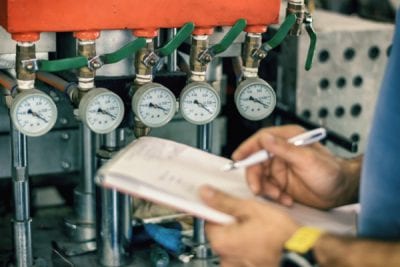
The regulations set mandatory requirements for the safe operation and examination of pressure systems, including the use of workplace protective devices such as pressure gauges, safety valves, and temperature switches.
A suitable written scheme is necessary to ensure that pressure equipment is operated within safe limits, and that periodic examinations are conducted by a competent person.
Implementation
Implementing a written scheme of examination requires a thorough understanding of pressure systems safety regulations, making it essential that a chartered engineer or other competent person certifies the written scheme.
The written scheme of examination must include details of the pressure system, including components, inspection requirements, and examination frequencies, and it must be reviewed and revised on a regular basis to ensure it remains up-to-date and relevant.
It makes sense to outsource the role of competent person to an experienced supplier can help ensure that pressure systems are operated safely and in compliance with UK regulations.